Parents can teach good manners by leading by example with please and thank you, teaching children to take turns and listen without interrupting, showing them how to accept compliments graciously and explaining that sensitivity is part of respect. Acknowledge good manners when you see them and create a home where courtesy and respect for others are expected.
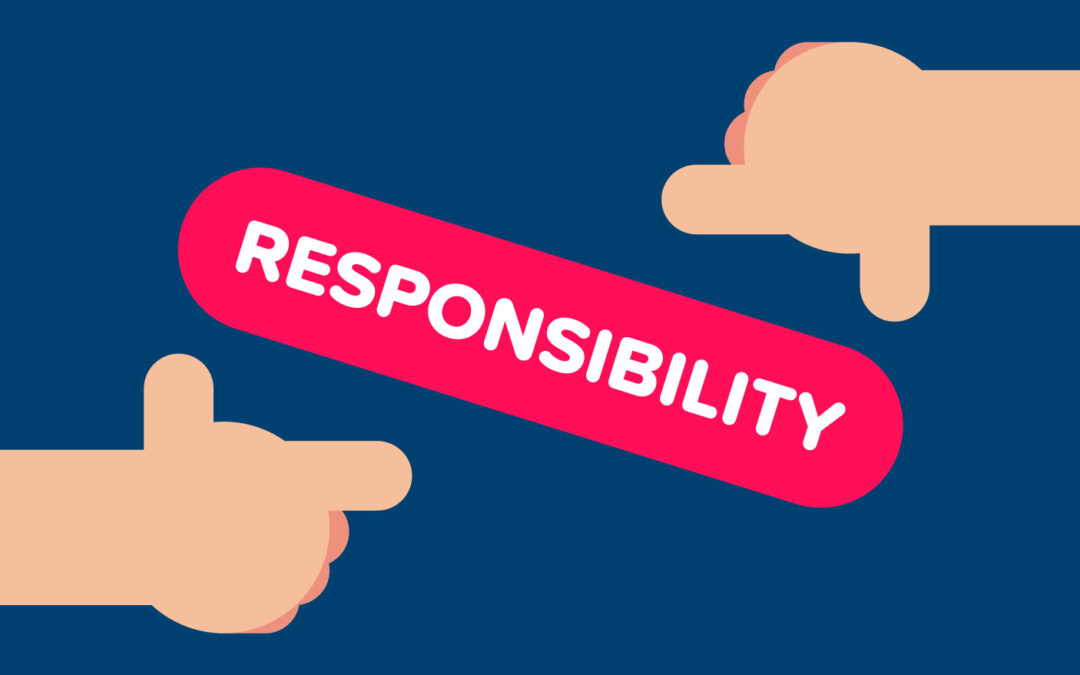
Parents can teach children responsibility by giving them age-appropriate chores, setting clear routines and rules, using responsibility checklists and rewarding responsible behaviour. Let children do things themselves even if imperfectly, avoid rescuing them from every difficulty and model responsibility by keeping promises. Unconditional love combined with clear boundaries helps responsibility grow.
Children cope best with exam stress when they are prepared well before exams start. Build routines with set 15 to 20 minute time frames so they learn to focus, address knowledge gaps as soon as they appear, understand how your child learns best and support them by asking questions to check understanding, because younger children cannot study independently.
Parents can motivate a child to study by building a close relationship, involving them in decisions, setting realistic goals and praising effort over results. Let children learn from mistakes, read together daily, identify their learning style, check their basic reading, Mathematics and listening skills, model a positive attitude to education and provide a peaceful study space.
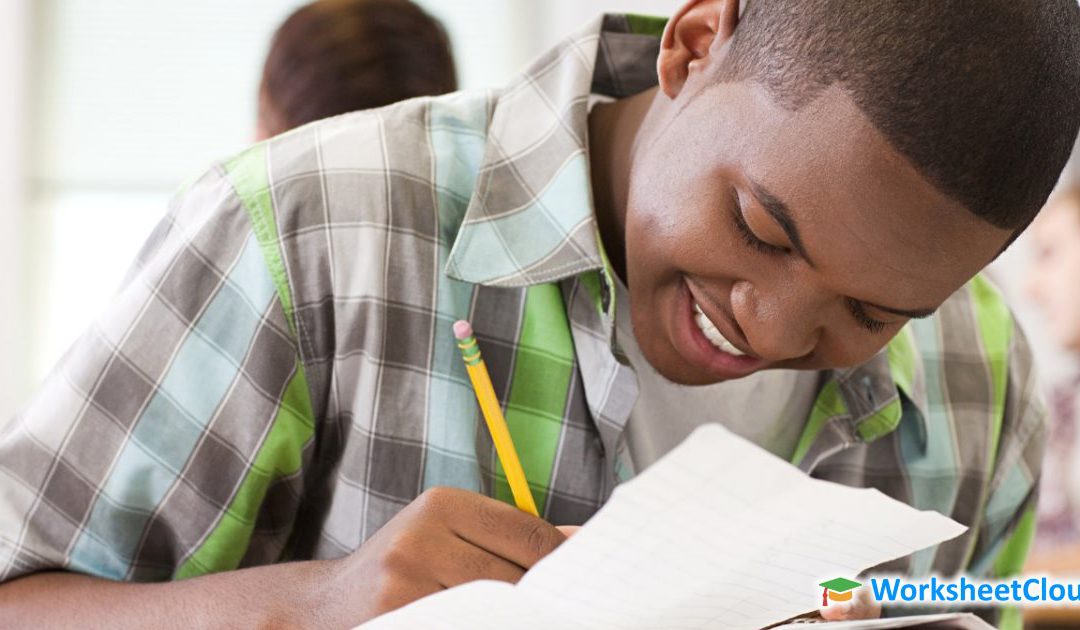
Parents can make homework less stressful by setting up a suitable homework space, limiting television, keeping a consistent routine and displaying a visible homework schedule. Guide your child but never do the homework for them, start early, with Grade R children spending 10 to 15 minutes a day, and talk to the teacher about any concerns.