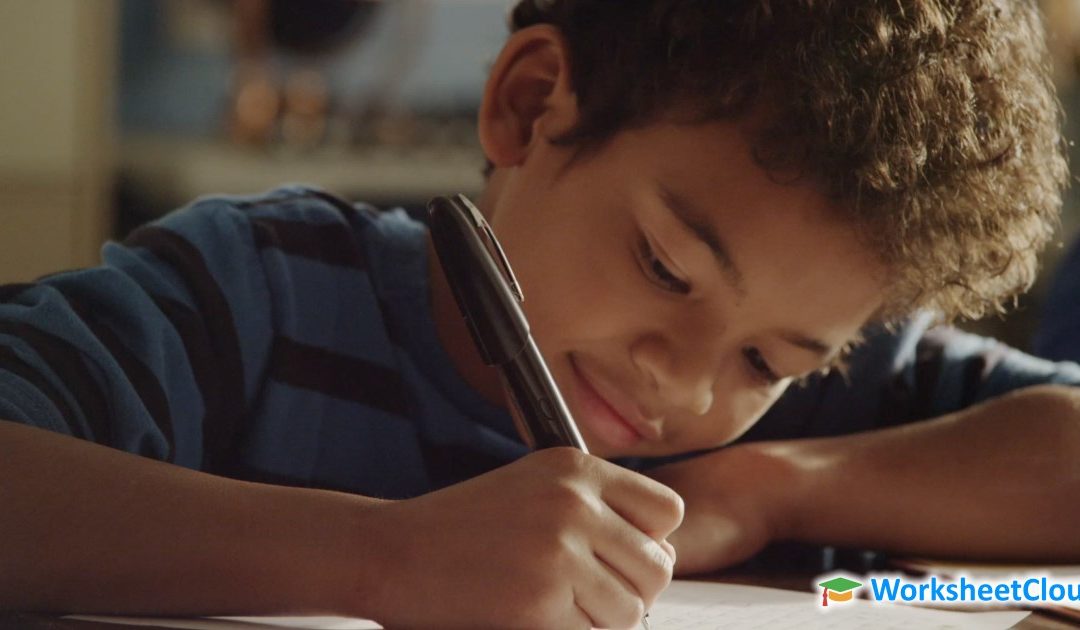
Teachers become frustrated when children arrive with unlabelled belongings, unsigned homework diaries, incomplete homework, untidy uniforms or too little sleep, or when they are late, disruptive or struggle to follow instructions. Parents can help by labelling items, monitoring homework, preparing the night before, teaching listening skills and self-control, and modelling respect at home.
If your child fails exams, avoid blaming yourself and focus on moving forward. Meet the teacher and follow their recommendations, and consider an assessment by an educational psychologist, who can identify issues such as reading comprehension or concentration difficulties. Remedial teaching, which builds skills rather than covering content, may help, and it is never too late to support your child.
Parents can help children get organised for exams by explaining why organisation matters and building routines with a visible calendar, set times for homework and chores and fixed places for schoolbags and stationery. At school, label everything, use colour-coded books and concertina files, record dates straight away, check schoolbags regularly and model organised behaviour yourself.
Parents can help their child answer exam questions better by explaining how questions are structured. Questions follow Bloom’s Taxonomy, from lower-order recall words like define and list, to middle-order words like compare and explain, to higher-order words like evaluate and justify. Use these question words in everyday activities and homework, and focus on understanding rather than memorisation.
Learners should start preparing for exams about a month before they begin. Break each subject into manageable topics, spread them across that time and give extra time to difficult subjects. Study methods that suit your child’s learning style, practice with past papers, healthy food, enough water and sleep all support exam preparation.