


3 Helpful Ways to Respond to Your Child’s School Report
To respond well to a child’s school report, talk to the teacher to understand the marks, then discuss the report calmly with your child, including which results they are proudest of. Check whether homework time and extra-mural activities are balanced, keep expectations realistic and remember that the most important thing is that your child is learning and progressing.

11 Steps to Help Your Own Child Stop Bullying Others
If your child is bullying others, stay calm, take it seriously and find out the underlying cause, such as a need for control, low self-esteem or being bullied themselves. Explain the harm bullying causes, teach empathy, use consistent discipline, speak to the teacher, spend time with your child daily, get to know their friends and reinforce positive behaviour.

How to Reward Your Child
To use a reward system effectively, set one or two realistic, specific and age-appropriate goals, involve your child in choosing the rewards and track progress with a star or sticker chart. Pair rewards with sincere praise, keep them fairly immediate for younger children and avoid rewarding everyday responsibilities, so the focus gradually shifts to intrinsic motivation.

7 Secrets to Motivating Teenagers
Teenagers are more motivated when schoolwork feels relevant, so link it to their future goals. Give them a say in how tasks are done, let them learn from failure, help them build their own organisation systems, break large tasks into smaller steps with short deadlines, offer incentives for effort and improvement, and make learning fun with technology and games.
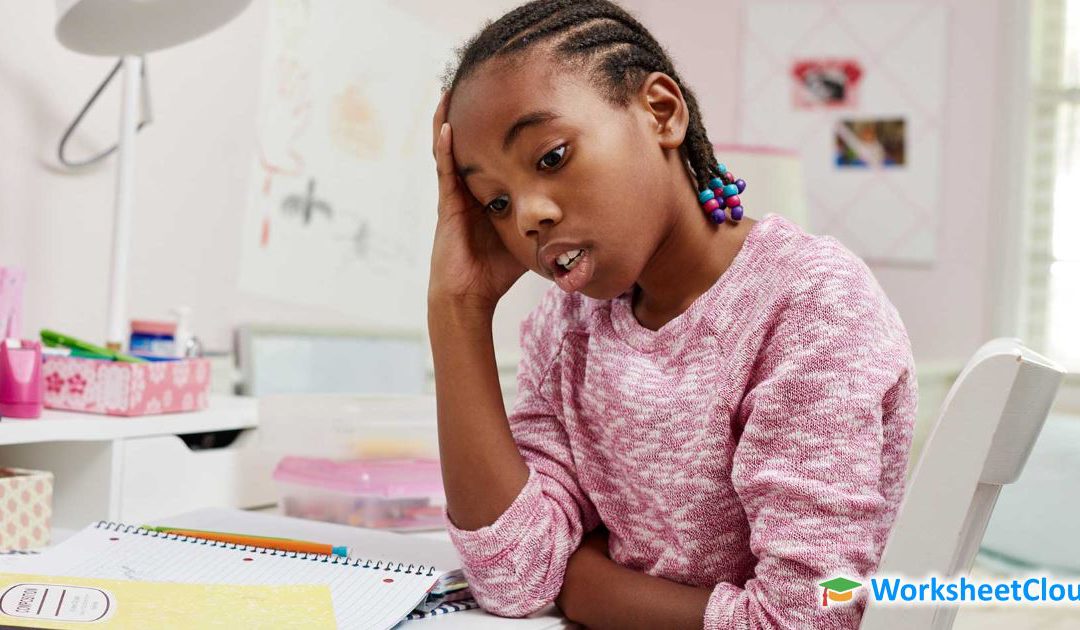
Beat Exam Stress in 3 Easy Steps
Parents can help minimise exam stress by focusing on three areas: effective study habits, such as a quiet study space, early planning in small chunks and short breaks; healthy sleep and eating, including a consistent bedtime, regular meals and water instead of stimulants; and relaxation, such as exercise, packing the night before and positive visualisation.
Have you connected with us?

